Understanding the Role of Community Events
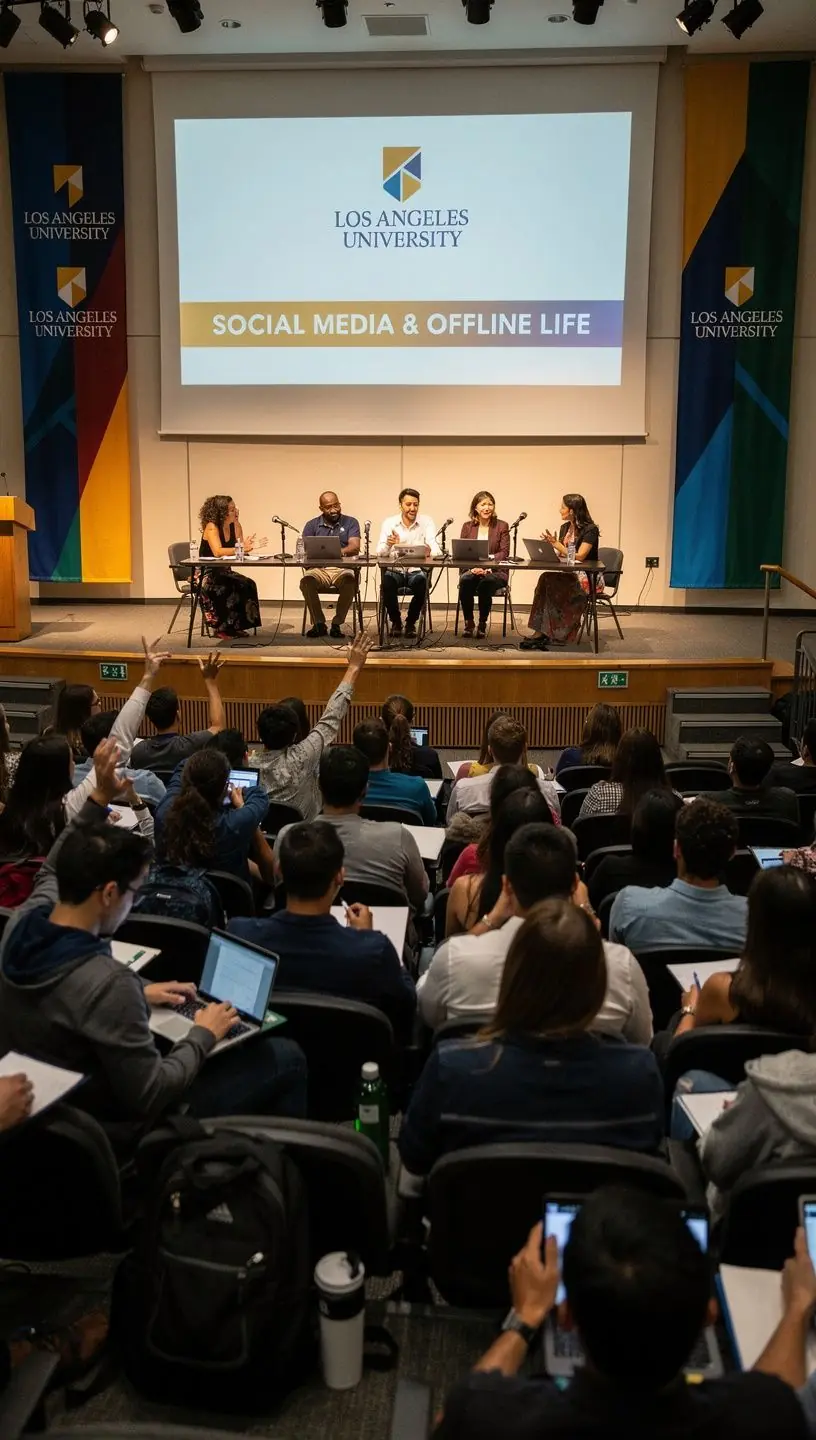
Community events are essential for fostering social connections and enhancing local culture. They provide individuals with opportunities to engage in activities that promote collaboration and understanding within neighborhoods. This article explores the significance of community events in the U.S., detailing their benefits, methodologies, and inevitable challenges.
The Importance of Community Events
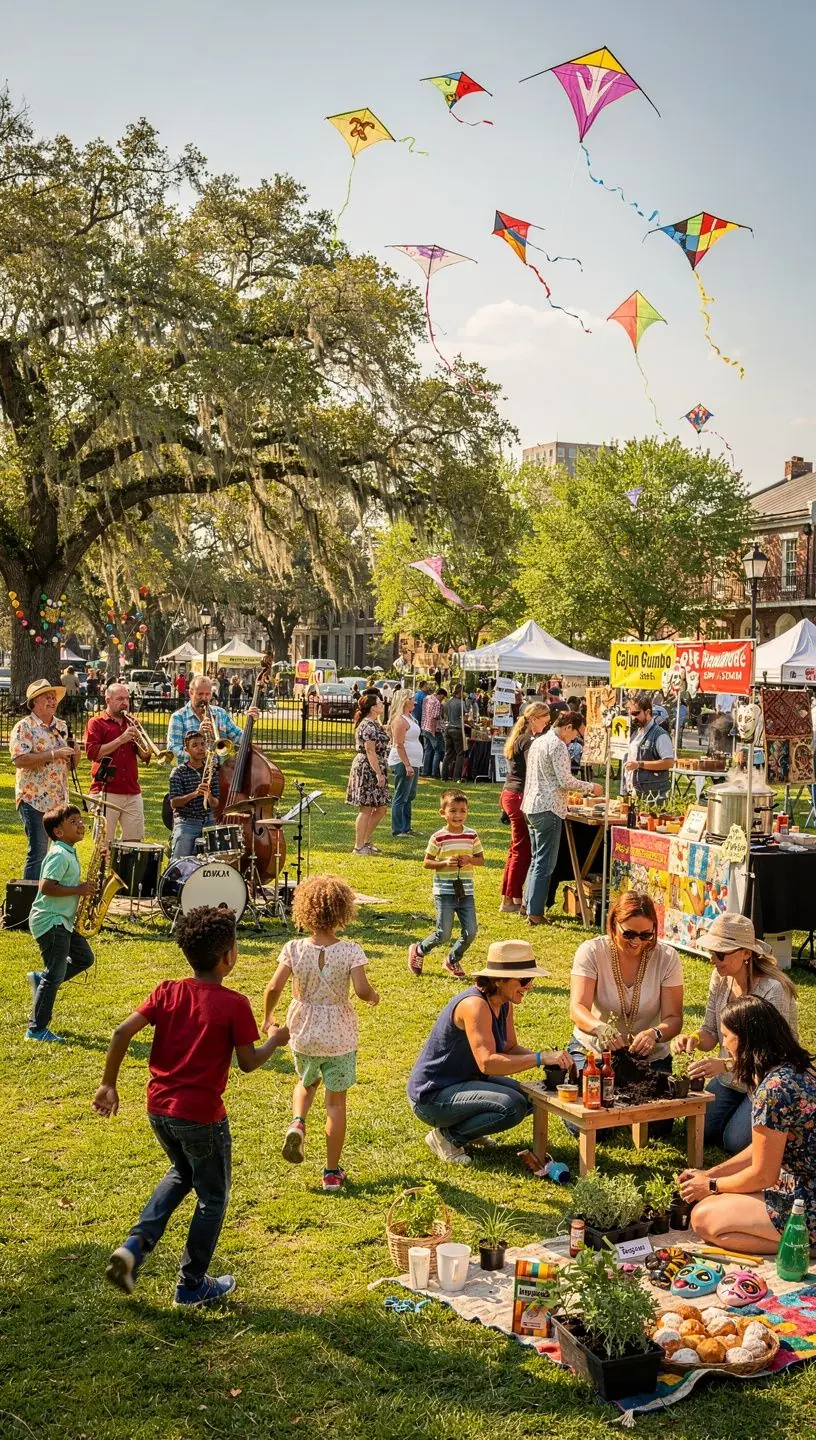
Community events typically serve as the backbone of social interaction in local areas. According to research from the National Civic League, communities that engage in regular events often report higher levels of civic participation and community well-being. These events can take various forms, including festivals, sports tournaments, and cultural performances.
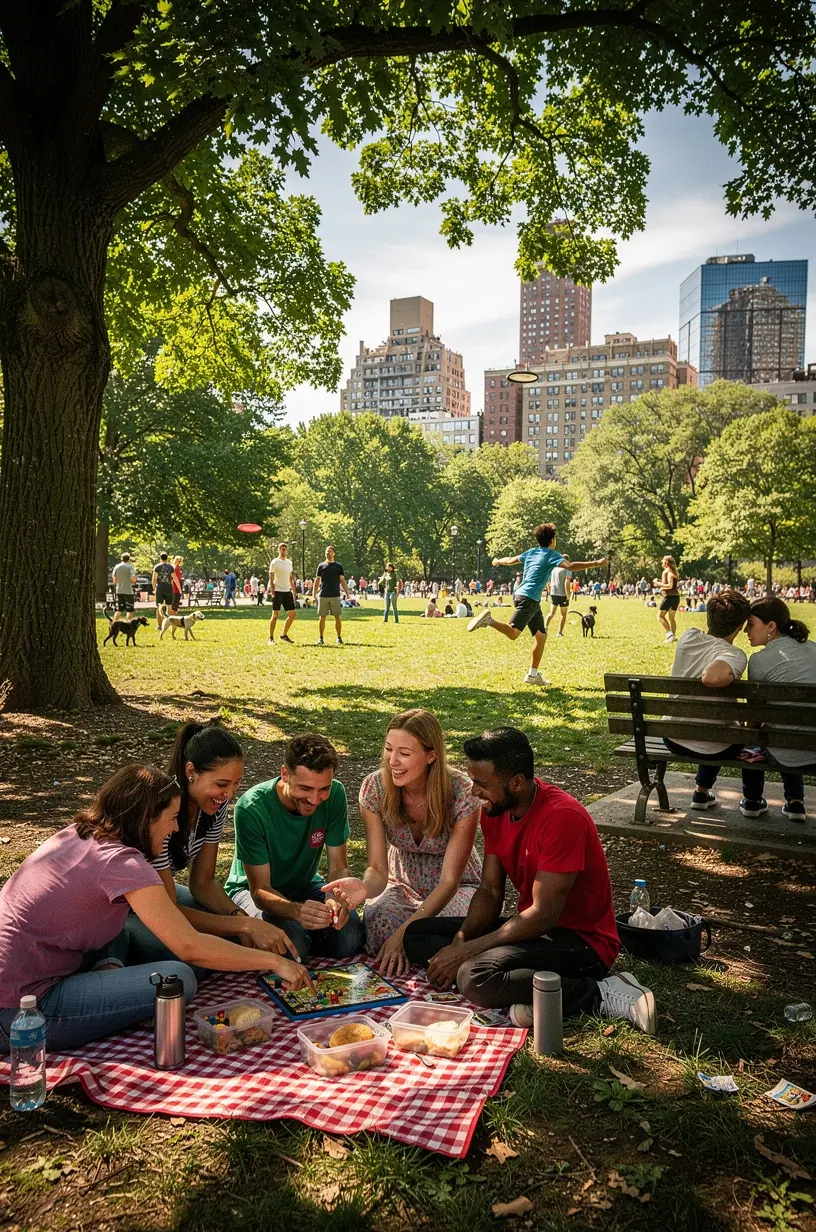
"Events that bring people together can significantly increase a sense of belonging and community cohesion."
Benefits of Community Events
- Social Connectivity: Community events help individuals build relationships, which can lead to improved mental health and a stronger support network. Studies show that social connections can reduce feelings of loneliness and isolation.
- Economic Impact: Local events often boost the economy. According to the U.S. Travel Association, community events can attract visitors, which typically increases spending in local businesses.
- Cultural Exchange: These events provide a platform for showcasing diverse cultures, fostering understanding and appreciation among community members.
How to Organize Effective Community Events
Organizing a successful community event requires careful planning and execution. The process typically involves several key steps:
- Identify the Purpose: Clearly define what you aim to achieve with the event. Events that align with community needs tend to be more successful.
- Engage Stakeholders: Involve local leaders, businesses, and residents early in the planning process. Their insights can help shape the event to better serve the community.
- Promotion and Marketing: Utilize social media and local news outlets to spread the word. Research indicates that a well-promoted event can significantly increase attendance.
- Feedback and Evaluation: After the event, gather feedback to assess what worked and what could be improved in future events. This reflective practice is crucial for ongoing success.
Acknowledging Limitations
While community events offer numerous benefits, it is important to acknowledge potential limitations. Organizing an event typically requires a commitment of time and resources, often taking several weeks to plan. Additionally, some communities may face challenges such as funding restrictions or lack of volunteer support, which can impact the feasibility of certain events.
Conclusion
In conclusion, community events play a vital role in enriching local culture and promoting social interaction. By understanding their benefits and following effective organizational practices, communities can leverage these gatherings to foster a stronger sense of belonging. However, organizers should remain aware of the efforts required and the potential challenges they may face along the way. Ultimately, the goal should always be to create inclusive and engaging experiences that bring people together.