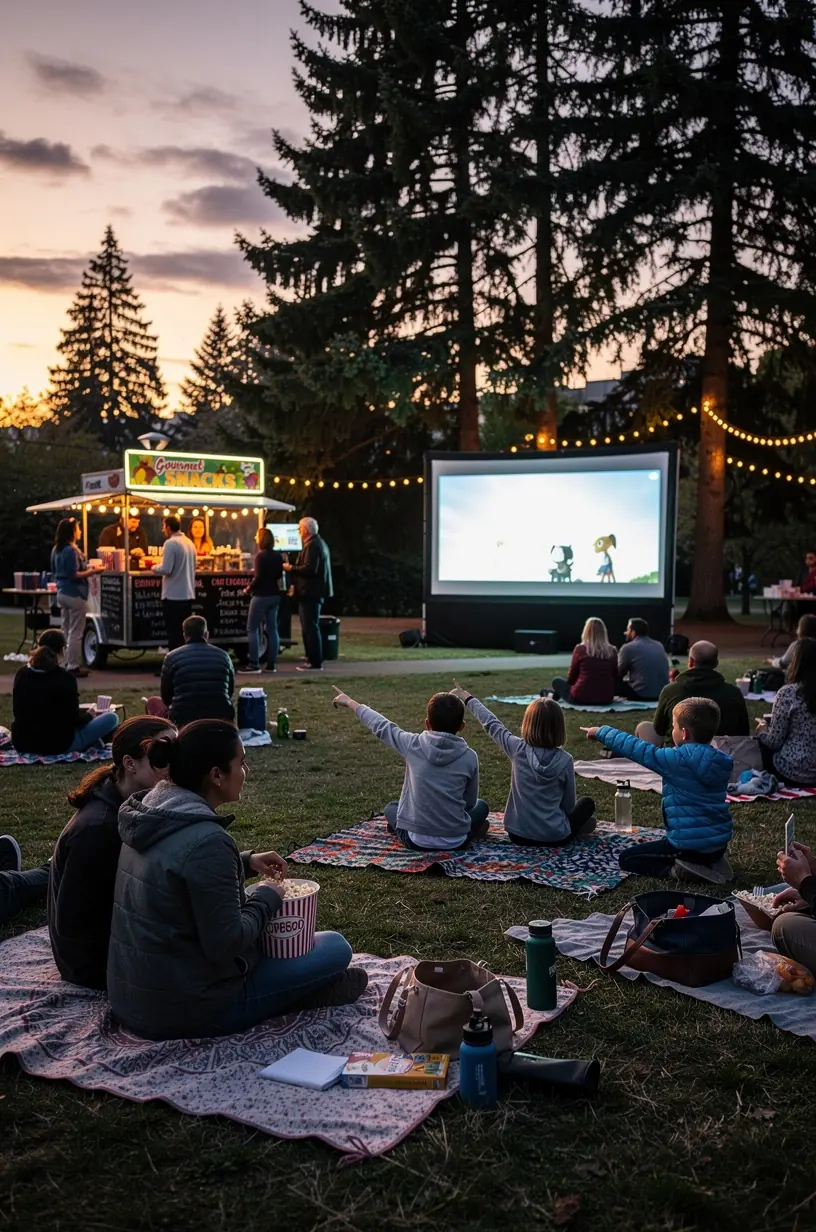
Practical Tips for Organizing Outdoor Festivals
Organizing an outdoor festival can be a rewarding yet challenging endeavor. These events often promote community engagement and cultural appreciation, but effective planning is essential to ensure everything runs smoothly. In this article, we share practical tips for organizing outdoor festivals that can help you create a memorable experience.
Understanding the Basics of Festival Planning
Successful festival planning typically involves several key steps. According to industry experts, having a well-defined plan can significantly improve outcomes. This includes choosing the right venue, setting a budget, and defining your target audience.

"A comprehensive plan helps streamline operations and enhances attendee satisfaction." - Event Planning Association
Choosing the Right Venue
When selecting a venue, consider factors such as accessibility, size, and amenities. Research indicates that venues that are easily accessible and equipped with basic facilities can enhance the overall experience for attendees. This decision often requires careful evaluation of local regulations and potential permits needed for outdoor events.
Community Engagement
Engaging the local community is crucial for any festival. Experts recommend involving local businesses and residents in the planning process. This involvement not only fosters goodwill but also encourages attendance, as many users report a greater interest when they see familiar faces or local brands represented.
Budgeting and Financial Planning
Establishing a realistic budget is essential. It typically takes time to secure funding through sponsorships or ticket sales. Many organizers find that a budget should be established at least six months in advance. This process involves estimating costs for logistics, permits, entertainment, and marketing.
Marketing Your Festival
Promoting the event effectively can make a significant difference in attendance numbers. Utilize social media platforms, local media, and community boards to spread the word. Research shows that events actively promoted online see an increase in ticket sales of up to 30% compared to those that rely solely on traditional advertising methods.
Logistics and Operations
Consideration of logistics is critical. This includes planning for security, waste management, and first aid stations. Many effective organizers recommend conducting a walkthrough of the venue weeks before the event to identify potential challenges. In most cases, having a team dedicated to operations can help streamline processes on the day of the event.
Post-Event Evaluation
After the festival concludes, it’s beneficial to gather feedback. Conducting surveys can offer valuable insights into what worked and what could be improved. Experts suggest that analyzing this data can help refine future events, allowing for continuous improvement.
Conclusion
Organizing an outdoor festival requires meticulous planning and community involvement. While challenges can arise, following these practical tips can lead to effective execution and an enjoyable experience for attendees. Always remember that flexibility and adaptation are key; not everything will go as planned, but being prepared can help ensure your festival is a success.