Creating Inclusive Spaces for Live Discussions
In an era where community engagement is vital, creating inclusive spaces for live discussions can significantly enhance participation and dialogue. This article explores the importance of inclusivity and offers practical strategies to foster welcoming environments for diverse audiences.
Understanding the Importance of Inclusivity
According to research conducted by the American Psychological Association, inclusive environments promote greater participation and satisfaction among attendees. Studies show that when individuals feel valued and respected, they are more likely to engage actively in discussions. This is particularly true in settings that prioritize diverse perspectives and encourage open dialogue.
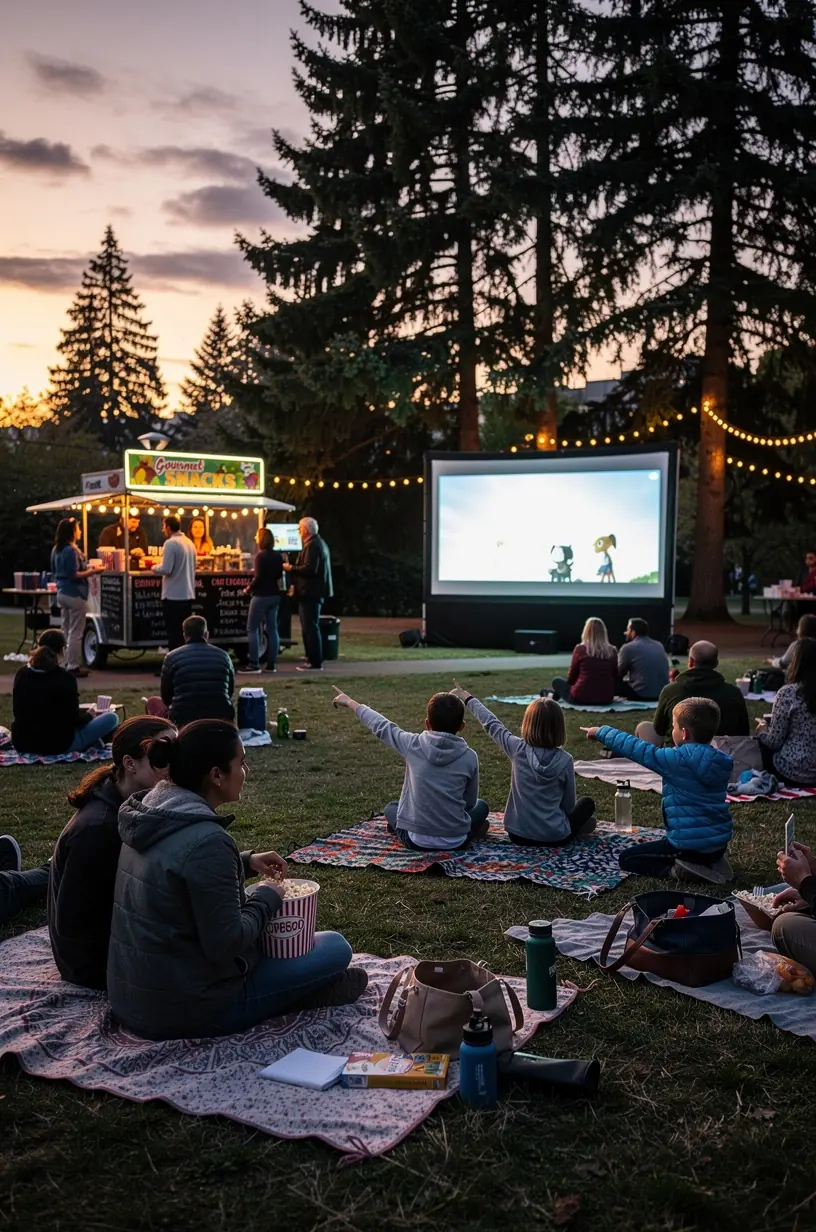
"Creating inclusive spaces is not just about representation—it's about fostering an environment where all voices can be heard and valued." - Community Engagement Expert
Practical Strategies for Fostering Inclusivity
Implementing inclusive practices requires intentionality and a clear understanding of the needs of your audience. Here are some effective strategies:
- Facilitate Accessibility: Ensure that your venue is accessible to individuals with disabilities. This can involve physical accommodations, such as wheelchair ramps, as well as providing materials in various formats (e.g., large print, Braille).
- Diverse Representation: When planning your events, aim for a diverse panel of speakers and facilitators. Studies suggest that audiences respond positively when they see representation across different demographics, including race, gender, age, and backgrounds.
- Safe Space Guidelines: Establish clear ground rules for discussions to create a safe space for sharing ideas. Encourage participants to listen actively and respect differing opinions, which can help to reduce conflicts and enhance dialogue.
Overcoming Challenges in Creating Inclusive Spaces
While the benefits of inclusivity are clear, challenges can arise. For instance, creating an inclusive space often involves a learning curve for facilitators and participants alike. This typically requires ongoing training and commitment to personal growth.
Moreover, some individuals may feel hesitant to voice their opinions in a diverse group due to fear of backlash or judgment. It is essential to cultivate an atmosphere of trust and openness, which may take time. According to industry experts, building such an environment often requires consistent effort over several events.
Conclusion
Creating inclusive spaces for live discussions is not only beneficial for participation but also enriches the overall experience for all attendees. By implementing the strategies outlined above, you can foster environments where diverse voices thrive, leading to more meaningful conversations. Remember, while this process may require time and dedication, the rewards of enhanced community engagement and understanding are substantial.