How to Encourage Participation in Local Events
Engaging community members in local events is essential for fostering strong social ties and promoting a vibrant cultural scene. This article explores effective strategies to encourage participation, offering practical insights based on research and expert recommendations.
Understanding the Importance of Local Events
Local events, such as festivals, community meetings, and performances, serve as critical platforms for social interaction and community building. According to a report from the National Endowment for the Arts, participating in community arts can enhance social cohesion, leading to stronger community bonds and increased well-being.
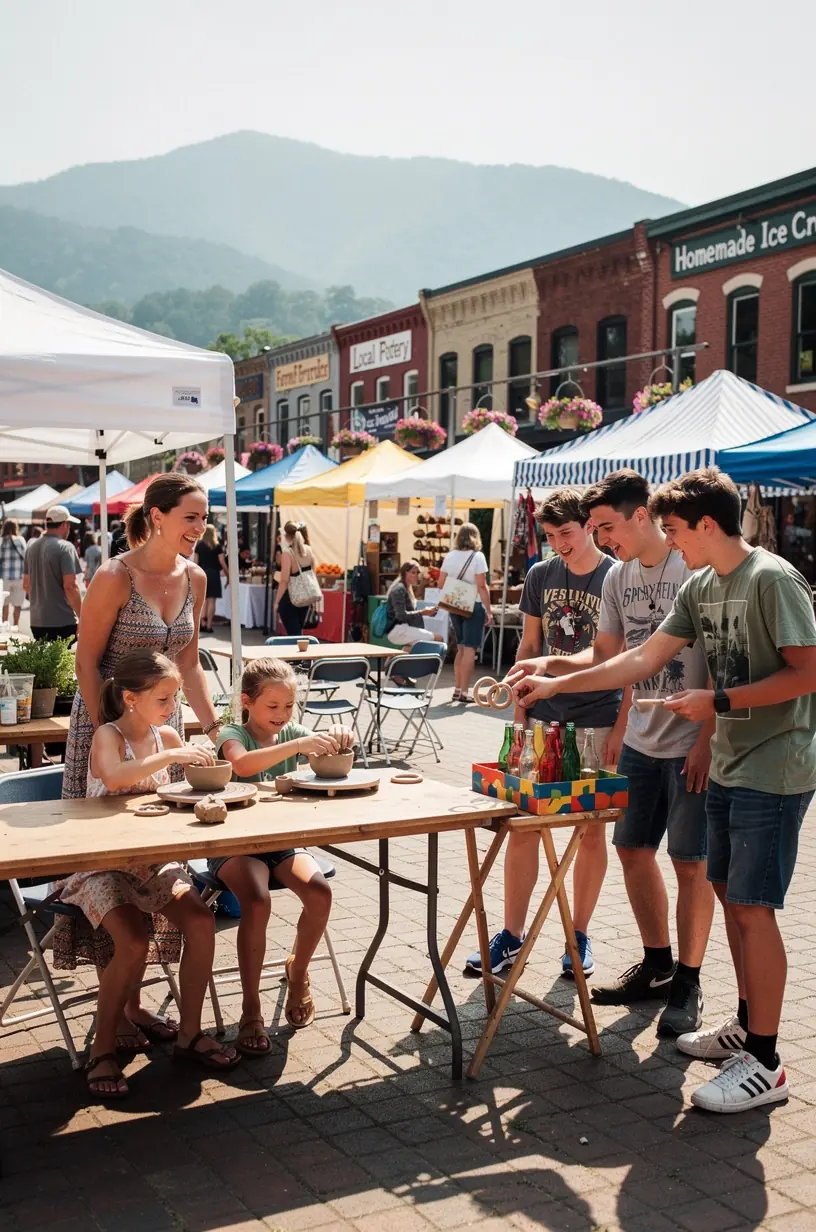
"Community events allow individuals to connect, share experiences, and build lasting relationships," states Dr. Anne Thompson, a community psychologist.
Effective Strategies to Boost Participation
While encouraging participation in local events can be challenging, there are several proven approaches that can significantly enhance community engagement.
- Leverage Social Media: Many community members report that social media is a primary source of information about local events. Utilizing platforms like Facebook and Instagram can help create buzz. Research indicates that events promoted on social media can see a participation increase of 30-40% compared to those that are not.
- Collaborate with Local Influencers: Partnering with local influencers or community leaders can amplify your reach. This approach works best when influencers share personal stories about the events, as personal narratives can resonate more with potential attendees.
- Offer Incentives: While not suitable for every event, providing incentives such as discounts, free food, or raffle entries may improve participation rates. Experts suggest that tangible rewards can motivate individuals, especially if they perceive the value as significant.
Creating Inclusive Environments
Inclusivity is key in encouraging broader participation. Events that cater to diverse demographics typically yield higher attendance. Consider the following:
- Accessibility: Ensure that venues are accessible to people with disabilities. This includes physical access as well as providing necessary accommodations.
- Tailored Content: Develop programming that resonates with various community segments. For example, family-friendly events or those that celebrate cultural diversity can draw larger crowds.
- Feedback Mechanisms: Implementing a feedback system allows community members to voice their preferences and concerns, fostering a sense of ownership and involvement.
Setting Realistic Expectations
It is essential to recognize that building participation typically takes time and effort. According to industry experts, consistent engagement strategies may require several months to show noticeable results. Each strategy may involve a learning curve, and it's important to adjust approaches based on community feedback and participation trends.
Conclusion
Encouraging participation in local events is a multifaceted challenge that requires thoughtful strategies and a commitment to inclusivity. By utilizing social media, collaborating with local influencers, and creating accessible environments, communities can foster greater engagement. Remember, building a vibrant local culture takes time, and consistent effort will ultimately lead to stronger connections within the community.
Learn More