How Cultural Events Foster Community Engagement
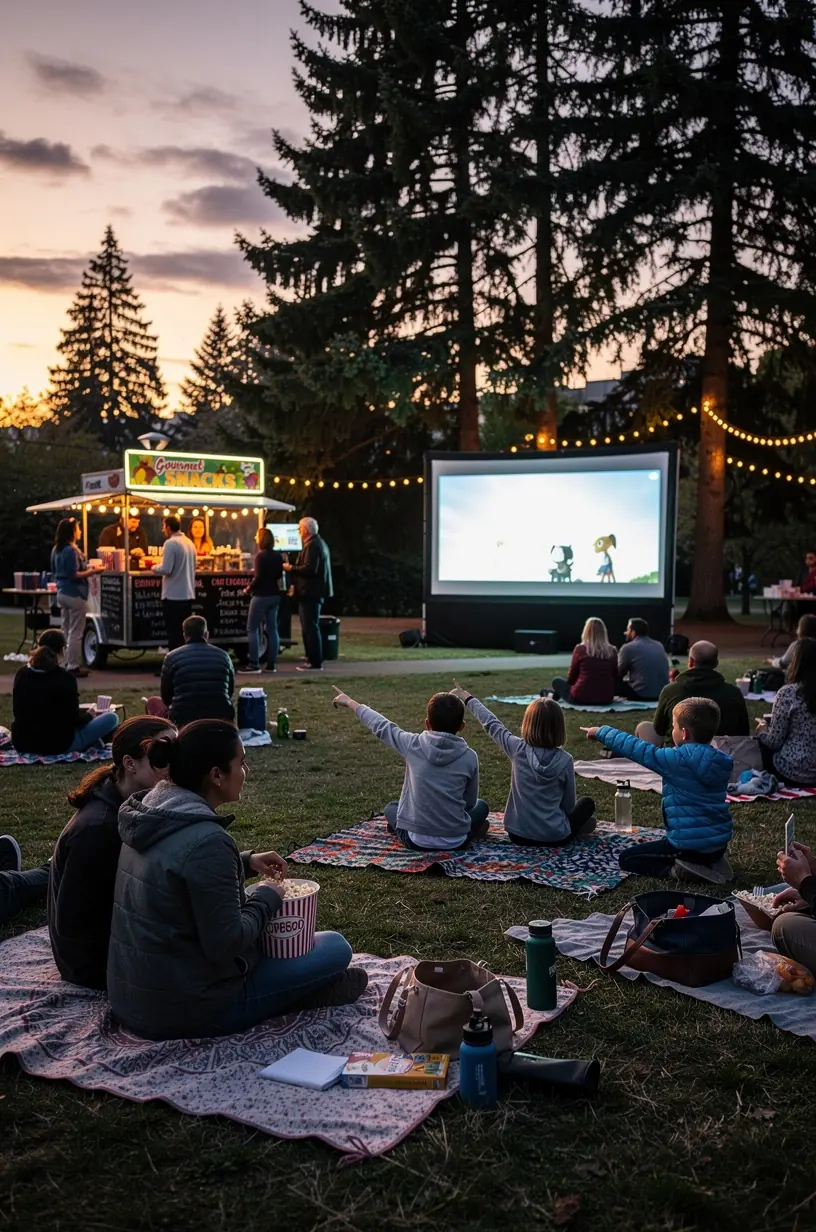
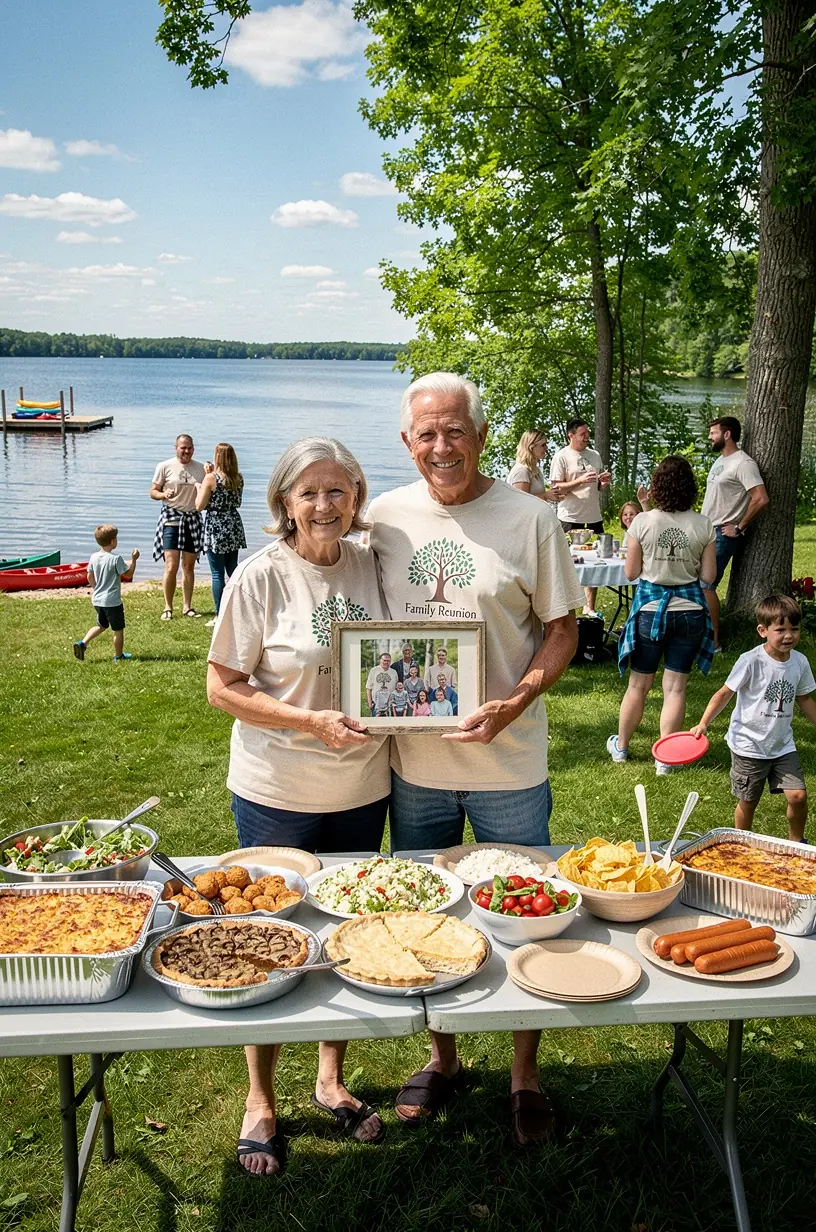
Cultural events play a significant role in bringing communities together, enhancing social bonds, and fostering a sense of belonging. This article explores how these gatherings can engage individuals and build stronger networks within local communities.
Understanding the Role of Cultural Events
According to research from the National Endowment for the Arts, cultural events can increase community engagement by providing spaces for interaction and collaboration. These events often create opportunities for participants to share their interests and forge connections, contributing to a more cohesive community.
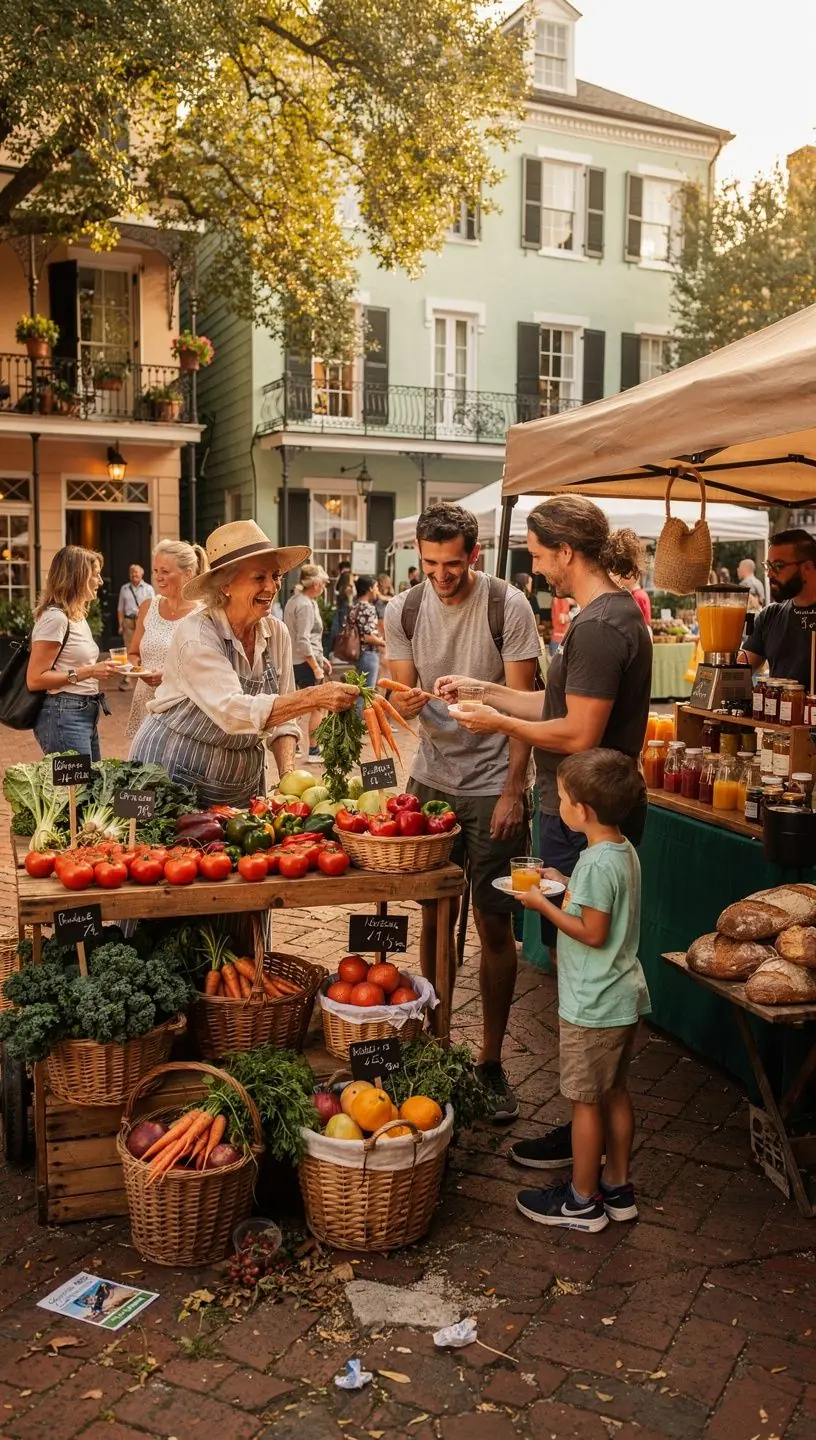
"Cultural gatherings are essential for nurturing social ties and are often instrumental in fostering community spirit." - Community Development Expert
Types of Cultural Events and Their Impact
There are various types of cultural events that can engage communities, including:
- Festivals: Often featuring music, art, and food, festivals can attract diverse crowds and stimulate local economies.
- Workshops: These provide educational opportunities and hands-on experiences, allowing participants to learn new skills while connecting with others.
- Performances: Theatrical and musical performances may enhance cultural appreciation and encourage local talent.
The Benefits of Community Engagement
Community engagement through cultural events can yield several benefits:
- Strengthening Social Networks: Engaging in shared experiences allows individuals to meet others with similar interests, fostering friendships and collaborations.
- Enhancing Cultural Understanding: Exposure to diverse cultures promotes empathy and appreciation for different backgrounds, which can reduce social tensions.
- Encouraging Civic Participation: Active involvement in community events can inspire participants to engage in other civic activities, such as volunteering or local governance.
Challenges and Considerations
While cultural events are generally beneficial, they can present challenges. Organizing such activities typically requires significant planning, funding, and community support. According to a study by the Urban Institute, events that are well-promoted and inclusive tend to yield higher participation rates. It’s essential for organizers to consider:
- The target audience and their interests.
- Accessibility and inclusivity for all community members.
- Opportunities for feedback to improve future events.
Conclusion
In summary, cultural events serve as a valuable tool for fostering community engagement and building stronger social ties. They offer opportunities for individuals to connect, learn, and collaborate, ultimately leading to a more vibrant community. By understanding the role of these events and addressing potential challenges, organizers can create meaningful experiences that resonate within their communities.