
The Art of Storytelling in Community Performances
Storytelling has been a cornerstone of human culture for centuries, and its significance in community performances is no exception. This article explores the importance of storytelling in offline social activities, providing insights into its impact on community engagement and the development of social bonds.
Understanding the Basics
Storytelling in community performances serves to connect individuals through shared narratives. According to research from the National Storytelling Network, effective storytelling can enhance community cohesion and foster empathy among participants. This works because when individuals engage with a story, they often see parts of their own experiences reflected in the narrative, which can help build a sense of belonging.
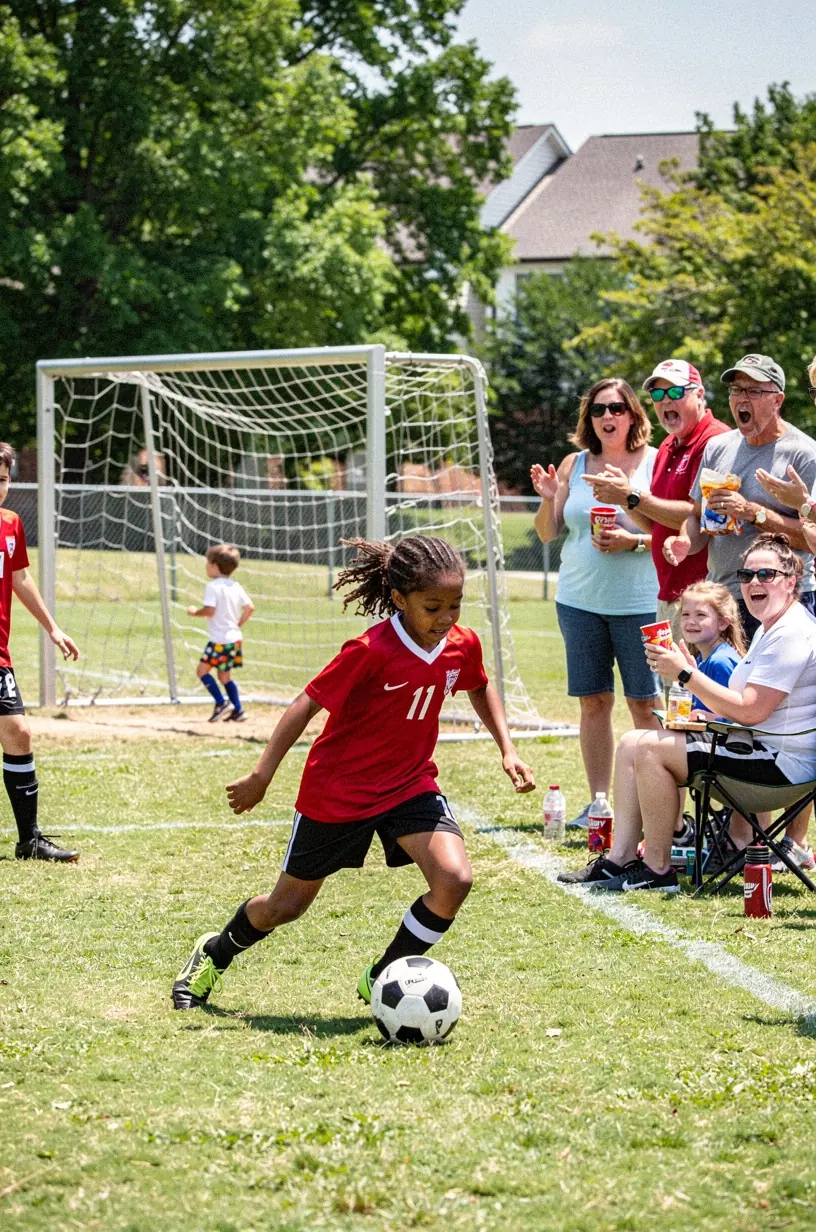
"Storytelling is not just about sharing a tale; it’s a way to share experiences, emotions, and insights that resonate with others in the community." - Dr. Jane Smith, Cultural Anthropologist
The Role of Storytelling in Community Engagement
In community performances, storytelling often takes center stage for several reasons:
- Creating Connections: Storytelling allows individuals to share personal experiences, which can spark meaningful conversations and connections. Studies show that communities that prioritize storytelling often enjoy stronger social ties.
- Encouraging Participation: Engaging narratives can motivate community members to participate in performances, whether as storytellers or audience members. This engagement is crucial for fostering a vibrant community.
- Preserving Culture: Many communities use storytelling as a means to preserve cultural heritage and traditions. Experts recommend incorporating local stories into performances to maintain cultural identity.
How to Incorporate Storytelling into Community Performances
Integrating storytelling into community activities is a strategic process that can involve various steps:
- Identify Themes: Begin by discussing relevant themes that resonate with your community. This could range from historical events to local folklore.
- Encourage Participation: Invite community members to share their stories. This step can involve workshops or open mic nights where individuals can practice and refine their storytelling skills.
- Utilize Diverse Formats: Experiment with different storytelling mediums, such as monologues, dialogues, or even multimedia presentations. This flexibility can cater to various audience preferences and enhance engagement.
Challenges and Limitations
While storytelling can be a powerful tool, there are limitations to consider:
- The process often requires adequate time for preparation and practice, typically taking several weeks to cultivate effective storytelling skills among participants.
- Community performances may face challenges in reaching wider audiences, especially in areas where interest in offline events is declining.
- Not all stories may resonate with every audience member, which can lead to varying levels of engagement and response.
Conclusion
Storytelling in community performances serves as a bridge between individuals, fostering deeper connections and enhancing cultural heritage. By understanding its role and effectively incorporating it into community activities, organizers can create enriching environments that encourage participation and unity. As you consider exploring storytelling in your community, keep in mind the realistic timeframes and effort required to ensure a memorable experience for all involved.
Learn More